

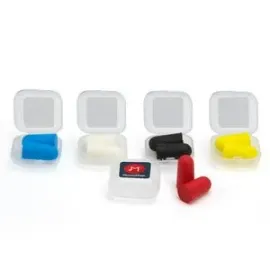
Successful promotional campaigns begin with understanding what people genuinely need. While some branded gifts focus on entertainment or convenience, others provide practical value in workplaces, at live events, and during everyday activities. Choosing products that serve a clear purpose can help businesses create a stronger connection with their audiences.
Useful merchandise can also communicate a company’s priorities. Products designed around comfort, personalisation, and everyday usability show that a brand has considered how recipients will use their gifts beyond the moment they receive them.
Why Practical Promotional Products Stand Out
Promotional merchandise is most effective when it fits naturally into a recipient’s routine. Items that solve a simple problem or make an activity more convenient are more likely to be appreciated and retained.
Businesses can begin by identifying their intended audience. Construction teams, event organisers, office employees, festival attendees, and fitness enthusiasts have different needs. A product that suits one group may be less relevant to another.
Quality also matters. Comfortable materials, reliable construction, and straightforward instructions can improve the user experience. Clear branding should complement the product rather than interfere with its functionality.
Supporting Comfort in Noisy Environments
Noise exposure is a concern in many settings, including industrial workplaces, concerts, sporting events, and recreational activities. Appropriate hearing protection can help reduce exposure to potentially harmful sound when selected and used correctly.
For campaigns focused on live events or workplace awareness, ear plugs logo products offer a way to combine branding with a practical item. Businesses can consider packaging, portability, comfort, and the intended environment when evaluating suitable options.
However, promotional hearing protection should not be selected on appearance alone. Buyers should check relevant product specifications, applicable safety standards, and the manufacturer’s guidance. A logo does not establish that a product provides adequate protection, and hearing protection should match the noise exposure and circumstances in which it will be used.
Recipients should also receive clear usage instructions where appropriate. Proper fit is important because incorrectly fitted earplugs may provide less protection than expected.
Choosing Suitable Options for Workplace Use
Work environments vary significantly, so protective equipment should be chosen according to the hazards involved. For employees who need hearing protection, custom earplugs for work may be considered as part of a broader workplace safety initiative.
Before purchasing, businesses should review several factors:
● Protection rating: Confirm that the product’s documented performance is appropriate for the intended noise environment.
● Fit and comfort: Consider the range of users, available sizes, and instructions for correct insertion.
● Material: Review product materials and any relevant allergy or sensitivity information.
● Hygiene: Determine whether the earplugs are disposable or reusable and follow the manufacturer’s cleaning or replacement guidance.
● Compliance: Verify that the product meets the standards and regulatory requirements applicable to its intended use.
● Packaging: Select packaging that keeps the product clean and provides clear instructions.
Employers should follow their workplace risk assessments and safety procedures rather than treating promotional items as a substitute for a comprehensive hearing conservation programme.
Integrating Useful Products into Marketing Campaigns
A well-planned merchandise campaign connects the product to a clear purpose. For example, an event organiser might distribute suitable hearing protection alongside safety information, while a company could include practical accessories in a workplace awareness package.
When working with a promotional products agency, businesses can discuss the target audience, desired quantities, branding requirements, production timelines, and budget. They should also ask whether product samples are available and request documentation for items intended to serve a safety-related function.
It is useful to distinguish between a promotional gift and certified protective equipment. Products intended for safety use require careful evaluation beyond appearance, cost, or customisation options.
Campaign messaging should remain accurate. Avoid suggesting that a product guarantees complete protection or is suitable for every environment unless reliable specifications support that claim.
Balancing Personalisation, Quality, and Cost
Custom branding can make a useful product more recognisable, but design choices should preserve usability. Logos should remain readable without obscuring instructions, safety information, or important product details.
Budget planning should account for more than the unit price. Customisation charges, packaging, shipping, sample orders, and potential replacement stock can affect the overall cost. Ordering a sample before approving a larger quantity may help identify issues with sizing, materials, print quality, or packaging.
Businesses should also consider the product’s intended lifespan. Reusable products may require different care instructions from disposable alternatives, and those instructions should be communicated clearly.
Measuring Campaign Results
After distributing promotional merchandise, businesses can review recipient feedback, distribution figures, and engagement with related campaign materials. Workplace initiatives may also assess whether employees understood the accompanying safety information.
Feedback can reveal whether the item was comfortable, convenient, and relevant to its audience. These insights can guide future product choices and help organisations make more informed decisions about promotional spending.
Conclusion
Practical promotional merchandise can support brand awareness while providing genuine value to recipients. When safety-related products are involved, thoughtful selection, verified specifications, and clear instructions are especially important. Brava Marketing can be considered when exploring customised merchandise for workplace initiatives, events, and business campaigns.
