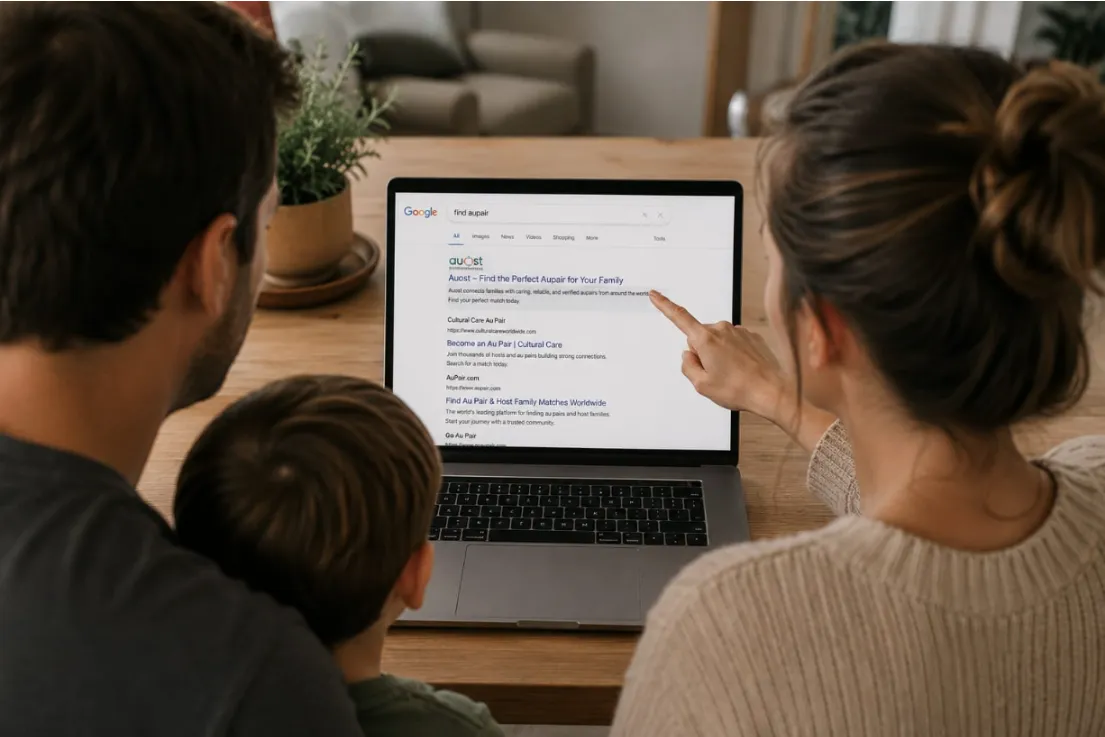

Childcare has become one of the biggest challenges for modern families. Between demanding careers, busy schedules, rising living costs, and changing family dynamics, traditional childcare solutions no longer work for everyone. Many parents are now exploring more flexible and personalized alternatives, which is why services that help families find au pair options have become increasingly popular.
In the past, many families relied on nearby relatives, local daycare centers, or one parent staying home full-time. Today, however, family structures and work environments look very different.
Remote work, hybrid schedules, international mobility, and dual-income households have all changed how parents think about childcare. Families are no longer just looking for someone to supervise children—they want support that fits their lifestyle, values, and long-term family goals.
As childcare needs evolve, more parents are also using platforms that allow them to
Find host family matches or connect with trusted international childcare arrangements.
The Changing Needs of Modern Families
Modern families experience pressures and responsibilities that were quite different from those of past generations.
Dual-Income Households Are Now Common
In many households, both parents work full-time.
This creates a major need for reliable childcare that covers:
- School hours
- After-school care
- Holidays
- Unexpected schedule changes
Traditional daycare often cannot provide the flexibility working parents need.
Flexible Work Does Not Mean Less Parenting Pressure
Remote work may seem convenient, but many parents quickly discover that working from home while caring for children is extremely difficult.
Meetings, deadlines, and childcare responsibilities often overlap.
Parents are expected to be fully productive employees and fully present caregivers at the same time.
This creates stress, exhaustion, and poor work-life balance.
Families Are More Globally Mobile
Many families now relocate for career opportunities or international work assignments.
This often means living far from:
- Grandparents
- Extended family
- Long-term community support
Without a local support network, parents must find new childcare solutions independently.
The Limitations of Traditional Childcare
While daycare and babysitters still work well for some families, they are not ideal for everyone.
Fixed Schedules
Most daycare centers operate on strict hours.
This can be difficult for parents with:
- Early work shifts
- Late meetings
- Travel obligations
- Irregular schedules
Families need more adaptable support.
High Costs
Childcare expenses continue to rise globally.
For many families, full-time daycare can represent a major monthly cost.
Additional services such as:
- Extended care
- Transportation
- Holiday programs
can further increase expenses.
Limited Personalization
Traditional childcare often follows a one-size-fits-all structure.
Children may not receive individualized attention based on:
- Learning style
- Personality
- Routine preferences
Parents increasingly value childcare arrangements tailored to their household.
Why Families Are Choosing More Flexible Solutions
Modern parents want childcare that supports both family life and career growth.
This is where alternative childcare models are gaining attention.
In-Home Convenience
In-home childcare reduces the daily stress of:
- Morning drop-offs
- Pickup deadlines
- Transportation logistics
Children stay in a familiar environment with consistent routines.
This often creates greater emotional comfort.
Personalized Support
Flexible childcare solutions can better align with family needs.
Support may include:
- School preparation
- Homework help
- Meal routines
- Activity planning
This helps parents feel less overwhelmed.
Better Work-Life Balance
Reliable childcare gives parents more control over their schedules.
Benefits include:
- Increased productivity
- Reduced stress
- More quality family time
When parents are less rushed, the overall family atmosphere improves.
The Growing Appeal of Au Pair Programs
One increasingly popular childcare option is the au pair model.
An au pair is typically a young international caregiver who lives with a host family and provides childcare support while participating in cultural exchange.
This arrangement offers multiple advantages.
Schedule Flexibility
Au pairs often provide support aligned with the family’s daily routine.
This is useful for:
- Early mornings
- Afternoons
- Evening transitions
Families can create a schedule that fits their needs.
Cultural Benefits
Children are introduced to:
- New languages
- Different cultures
- Global perspectives
This creates an educational experience alongside childcare support.
Family Integration
Unlike occasional babysitting, au pairs often become part of the household routine.
This can create:
- Consistency
- Trust
- Stronger relationships with children
What Parents Are Looking for Today
Modern parents are not simply outsourcing childcare.
They are making strategic family decisions.
Key priorities include:
Safety and Trust
Parents want verified and trustworthy childcare arrangements.
Background checks, screening processes, and structured matching systems are increasingly important.
Emotional Stability for Children
Frequent childcare changes can be stressful for children.
Families prefer consistent caregivers whenever possible.
Long-Term Sustainability
Parents are thinking beyond short-term solutions.
They want childcare arrangements that support:
- Career development
- Family wellness
- Household organization
The Future of Childcare Is Changing
The childcare industry is evolving because family life is evolving.
Parents are questioning old assumptions such as:
- Childcare must happen outside the home
- One solution works for everyone
- Flexibility is optional
Instead, families are prioritizing:
- Customization
- Convenience
- Affordability
- Emotional well-being
This shift is redefining what effective childcare looks like.
Final Thoughts
Modern families are rethinking childcare because traditional systems no longer meet every household’s needs.
Busy schedules, rising costs, career demands, and changing lifestyles have pushed parents to seek more adaptable solutions.
Families now want childcare that supports not only their children, but also their work, routines, and mental well-being.
Whether through in-home support, flexible scheduling, or international cultural exchange programs, childcare is becoming more personalized than ever before.
The future of childcare is not about one universal solution—it is about finding the right support system for each unique family.