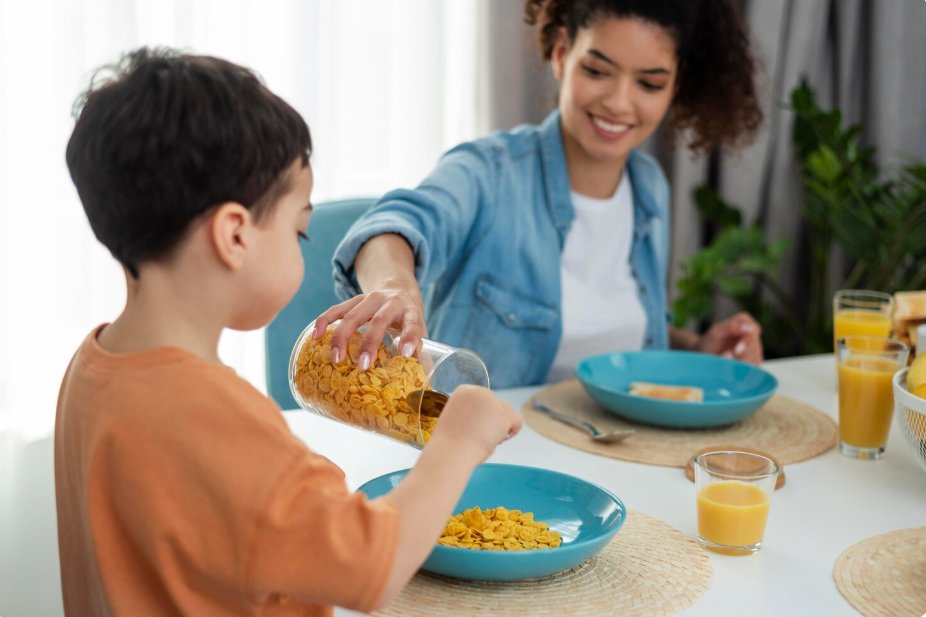

Mealtimes in early childhood settings are often viewed as routine parts of the day focused on nutrition and structure. However, growing research and practice in early learning environments highlight that these moments also play a much broader role in children’s development. Shared eating experiences can influence how children relate to food, how they develop independence, and how they build social and emotional skills.
When mealtimes are approached with intention and care, they become opportunities for learning, connection, and the development of lifelong healthy habits rather than simply scheduled breaks in the day.
Mealtimes as Part of Everyday Learning
In early childhood education, learning happens continuously throughout the day, including during everyday routines such as eating. Mealtimes provide natural opportunities for children to practice communication, develop social awareness, and build independence.
Allowing children to eat at their own pace supports the development of internal regulation. Children begin to recognise their own hunger and fullness cues, which contributes to healthier long-term relationships with food and supports emotional wellbeing.
Approaches to responsive feeding in early childhood development highlight the importance of allowing children to take an active role in eating rather than focusing on external pressure or control. Research shows that supportive mealtime environments can help children build trust in their bodies and reduce stress around food experiences.
Creating Calm and Supportive Food Environments
The environment in which children eat plays a significant role in how they experience food. A calm, predictable, and unhurried setting helps children feel safe and more willing to explore different foods.
Some early learning philosophies focus on making shared mealtimes in early childhood education a calm and intentional part of the day rather than a rushed transition between activities. These approaches emphasise structured, child-centred routines where mealtimes are treated as meaningful social and learning experiences rather than functional tasks.
This perspective is reflected in structured early learning approaches that focus on an intentional mealtime approach centred on simplicity, nourishment, joy, and meaning, where children are supported to engage with food in a calm, mindful, and developmentally supportive environment.
Within this type of environment, children are gently supported to observe others, try new foods in their own time, and build confidence in their choices. Over time, this can help reduce hesitation around unfamiliar foods and encourage more open and flexible eating habits.
Encouraging Familiarity Through Whole and Simple Foods
Another important aspect of positive mealtime experiences is the type of food offered. Early childhood settings that prioritise whole, minimally processed ingredients help children become familiar with natural flavours, textures, and colours.
Rather than highly processed or overly complex meals, simple food choices allow children to focus on sensory exploration and recognition. This supports familiarity and helps children gradually build acceptance of a wider variety of foods.
Nutrition frameworks also highlight the importance of balanced whole-food eating patterns for children’s health, encouraging meals built around fresh produce, grains, and protein sources. These approaches support both physical growth and the development of healthy eating habits over time.
Building Independence Through Mealtime Participation
Mealtimes also offer valuable opportunities for children to develop independence. When children are encouraged to serve themselves, make simple choices, and participate in shared routines, they begin to build confidence in their abilities.
These experiences support the development of decision-making, problem-solving, and self-regulation. Over time, children gain a stronger sense of autonomy and trust in their own judgement, which extends beyond eating into other areas of learning and daily life.
The Importance of Shared Mealtime Experiences
One of the most meaningful aspects of mealtimes in early childhood is the opportunity for social connection. Eating together allows children to engage in conversation, observe peers, and develop important communication and listening skills in a natural setting.
These shared experiences also support emotional development. Children learn to navigate group dynamics, express preferences, and build relationships with educators and peers. Mealtimes become a consistent space for belonging, routine, and connection within the learning environment.
A Broader View of Food and Development
Ultimately, mealtimes in early childhood education contribute to far more than physical nourishment. They support emotional wellbeing, social development, independence, and early learning dispositions such as curiosity, confidence, and resilience.
When food experiences are calm, intentional, and shared, children are more likely to develop positive associations with eating. Over time, these experiences help shape healthy attitudes and habits that can last well beyond the early years, supporting lifelong wellbeing and a balanced relationship with food.